
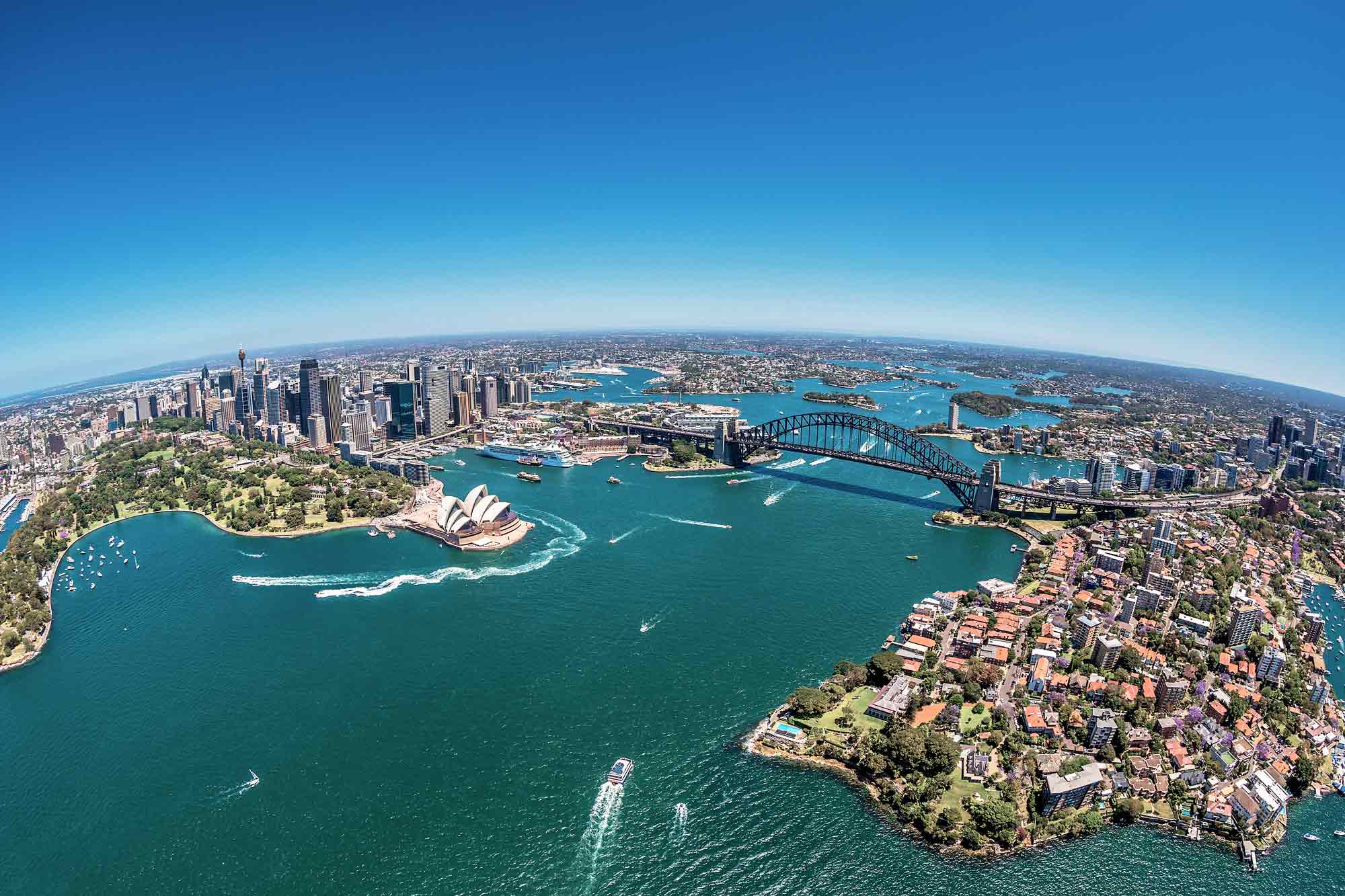
Australia’s future landscape in 2033
Key takeaways
Millennials will drive demand for larger living spaces in suburban areas, leading to more urban sprawl. This shift will free up housing stock as Baby Boomers downsize, benefiting regional towns near major cities.
Policymakers are prioritizing housing supply, with aggressive targets and state governments taking a stronger role in urban development. Middle suburbs may see denser housing developments.
A global economic slowdown is possible, influenced by factors like China’s financial instability and aging Baby Boomers favoring safer investments. However, advancements in AI could boost productivity.
Entertainment will still dominate leisure time in 2033, and information consumption will evolve with a reliance on trusted sources. Self-driving cars won’t dominate yet, and housing affordability will improve gradually through policy, demographic shifts, and housing innovation.
Despite technological advancements, the future is likely to resemble the present more than expected. Balancing changes with sustainable development and equitable policies is crucial for a thriving future for all Australians.
Over the last ten years, changes in Australia may have seemed gradual, but they’re shaping the nation our children will inherit.
Recently Australia’s leading demographer, Simon Kuestenmacher, wrote a series of articles for The New Daily delving into what these shifts mean for our future.
So let’s look at some of his thoughts…

The Millenial housing shift
By 2033, Millennials, the largest generation, will have a significant impact on housing trends, according to Kuestenmacher in his article in The New Daily.
Moving from urban apartments to suburban homes, they’ll drive demand for larger living spaces.
This shift will lead to more urban sprawl, as Millennials seek homes that accommodate their families and work needs.
As Baby Boomers downsize or leave their homes due to age, this will free up housing stock, easing some market pressures.
Gen X, caught between supporting their children and ageing parents, will largely remain in their current homes.
Meanwhile, regional towns near major cities will experience growth, benefiting from these demographic shifts.
Recognizing the housing affordability crisis, policymakers are now prioritizing supply.
We’ll see more aggressive housing targets, with state governments taking a stronger role in shaping urban development.
Middle suburbs, previously resistant to change, will likely see denser housing developments to meet these demands.
Policy Response to Housing Challenges
Recognizing the housing affordability crisis, policymakers are now prioritizing supply according to Kuestenmacher.
He suggests we’ll see more aggressive housing targets, with state governments taking a stronger role in shaping urban development.
Middle suburbs, previously resistant to change, will likely see denser housing developments to meet these demands.
Generational Housing Dynamics
As Baby Boomers downsize or leave their homes due to age, this will free up housing stock, easing some market pressures.
Gen X, caught between supporting their children and ageing parents, will largely remain in their current homes according to Kuestenmacher.
Meanwhile, regional towns near major cities will experience growth, benefiting from these demographic shifts.
The More Things Change, The More They Stay the Same
Yes, our cars have evolved – from sedans to SUVs.
But fundamentally, our use of vehicles remains unchanged says Kuestenmacher.
We’re still navigating through city traffic, much like a decade ago.
Our lifestyles, too, have held constant.
We work, we cherish weekends, support the same sports teams, and our political leanings are largely unaltered. Life’s core experiences – love, fear, joy, and struggle – remain consistent despite societal shifts.
Economic trends and investment shifts
According to Simon Kuestenmacher, the global economic landscape suggests a looming slowdown.
China’s financial instability could ripple globally, affecting Australia significantly, given our export dependency.
Additionally, as Baby Boomers age, there’s a trend towards safer investments, potentially slowing down economic progress.
However, advancements in AI could counterbalance this, spurring new productivity heights.
Workforce and education trends
Despite technological advancements, the future job market will still value higher education.
Kuestenmacher said that new-collar jobs in emerging fields will rise, but traditional degrees will continue to command a premium.
Trades will become increasingly important, possibly leading to free TAFE education to address skills shortages.

Lifestyle and societal changes
In 2033, entertainment will still dominate our leisure time, whether through traditional media or immersive technologies.
Information consumption will evolve, with a reliance on trusted sources amidst a deluge of AI-generated content.
Self-driving cars won’t dominate yet, keeping our cities car-dependent.
Housing affordability will improve, but not through drastic price collapses.
Instead, a combination of policy, demographic shifts, and innovation in housing will contribute to this change.
Final thoughts…
The future, despite technological advancements, is likely to mirror the present more than we anticipate.
Even in these ‘unprecedented times’, history has seen faster and more intense changes, like the introduction of electricity or wartime upheavals.
In essence, while we can expect technological and societal shifts, the fundamental aspects of Australian life – work, family, and leisure – will continue in familiar patterns.
Our challenge lies in balancing these changes with sustainable development and equitable policies to ensure a thriving future for all Australians.
