
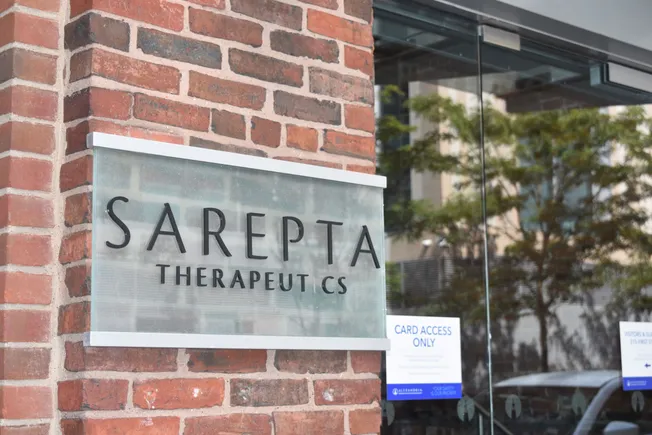
FDA allows Sarepta to resume some Elevidys shipments
The Food and Drug Administration has given Sarepta Therapeutics a green light to resume shipping its gene therapy Elevidys to some patients with Duchenne muscular dystrophy, a little over one week after demanding the company halt sales over safety concerns.
In a statement Monday evening, Sarepta said it would begin shipments to treatment sites “imminently.” The resumption applies only to Duchenne patients who can still walk, which typically describes individuals who are younger and whose disease hasn’t advanced as far.
For Duchenne patients who can no longer walk, shipments remain on a volunatary pause Sarepta instituted in June following the death from liver failure of a second teenager who had received Elevidys. Both teenagers were no longer able to walk when they died.
“We look forward to working collaboratively with the FDA to complete the safety label update for Elevidys and to discussing the approach to risk mitigation for nonambulatory patients, who remain on pause pending the outcome of those discussions,” Sarepta CEO Doug Ingram said.
Sarepta had initially refused to comply with the FDA’s July 18 request to stop Elevidys shipments in ambulatory patients, precipitating a three-day standoff with the agency before the company chose to back down last Monday.
The FDA’s request came on the heels of a furor over Sarepta’s failure to disclose the death of a patient with a different kind of muscular dystrophy who received one of the company’s experimental gene therapies in a clinical trial. That experimental treatment and Elevidys share a common delivery component, but differ in dose, manufacturing process and genetic payload.
More recently, an 8-year-old boy in Brazil who had received Elevidys died, but his death was ruled unrelated to the gene therapy. In a statement Monday, the FDA said it had investigated that case and agreed.
“The FDA will continue to work with the sponsor regarding non ambulatory patients, which remains subject to a voluntary hold, following two deaths,” said the agency.
“The patient community is an important voice, and the FDA will continue to listen to and respond to thoughts from the community impacted by DMD,” it added.
Editor’s note: This is breaking news. Check back later for updates.