

The Benefits of Multilingual Communication in Property Management
Imagine that you are a property manager trying to give your renters useful information. It’s about a suggested makeover for a building, and you have to clearly and exactly state your case. The disadvantage is that you only speak English, whereas many of your tenants speak Spanish. How can everyone be sure they feel heard and understood?
This is where the ability of multilingual communication becomes really important.

Note: Property managers are discovering in the very varied world of today that knowing English alone is insufficient. For renters as well as property management, being able to speak many languages fluently offers a great deal of advantages.
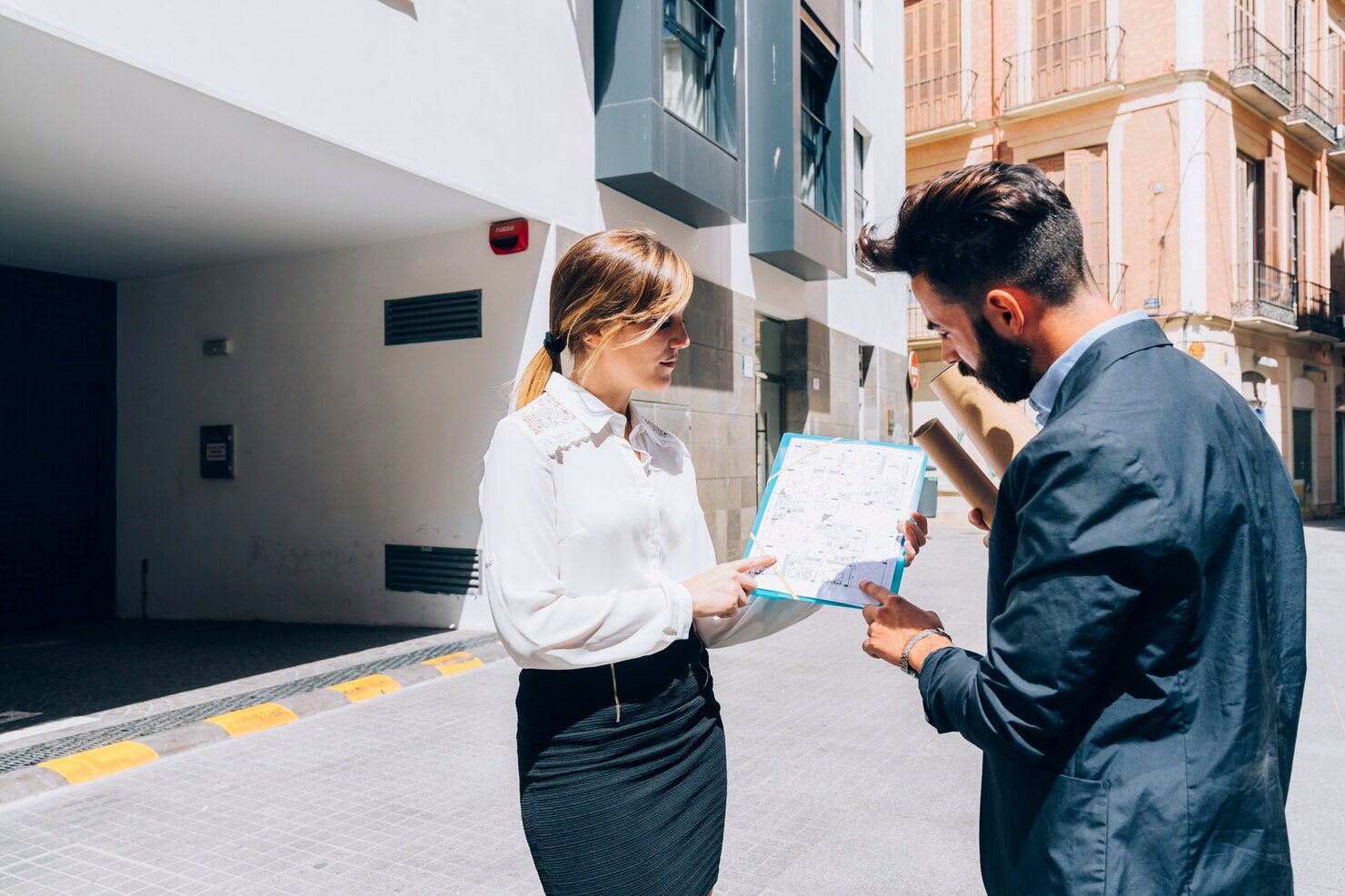
Property management has changed a lot since the days when it was just about keeping buildings in good shape and receiving rent. Being able to talk to people in more than one language is one of the most useful skills for a current property management team. Let’s look at why this skill is becoming more and more important and how it helps everyone.
Making people feel safe and trusting
Tenants feel quickly more at ease when they can talk to each other in the language they prefer. When you have to attempt to explain a complex maintenance issue or leasing agreement in a language you hardly know, it may be taxing and cause errors. Help in several languages helps property managers ensure tenants feel heard and respected. This faith is what makes interactions last for a long time and be good.
Getting more of the market
Properties with people who speak more than one language naturally get more possible renters. Property managers who can speak Spanish, Mandarin, Arabic, or Hindi can have a big edge over their competitors, especially in cities with lots of different kinds of people. This wider reach not only helps fill empty units faster, but it also makes the community within the building more diverse and lively.
Avoiding costly misunderstandings
Clear conversation keeps mistakes from costing a lot of money. When talking about upkeep issues, rent payments, or the rules of a lease, even small mistakes can turn into big issues. When people talk to each other in more than one language, important facts don’t get lost in translation.
For instance, a renter might better understand their care duties if they are told in their own language. This could help keep property from getting damaged because of misunderstandings.
Better response to emergencies
In crises, it’s very important to be able to communicate clearly. It’s important to be able to quickly understand and address renters’ issues in the language they prefer. This will help keep property safe and avoid damage to the tenants’ belongings. When someone is under a lot of stress and has to communicate fast and precisely, this ability comes rather beneficial in trying circumstances.
Improved record-keeping and documentation maintenance
Speaking two languages is just one aspect of being multilingual; more is involved. Having important papers available in several languages ensures that every renter knows their rights and responsibilities. This includes community rules, leases, maintenance requests, and emergency planning.
Note: Tenants who understand these documents well are more likely to follow rules and treat the property appropriately.
Being culturally competent and building communities
Culture and language go hand in hand. When property managers can talk to people in more than one language, they can often learn a lot about how different cultures think and act. This knowledge helps make the neighborhood a better place for everyone, and it can help property managers choose features, events, and services that will appeal to a wide range of tenants.

Maintenance and services have been streamlined
It is easier to finish work orders when repair staff can talk to renters directly in the language they speak. Access times, specific problems, and answer needs are less hard to understand. This straight contact speeds up the process of solving problems and makes tenants happier.
Following the law and managing risks
In many places, offering language access is not only the right thing to do, it’s also the law. Communication in more than one language helps make sure that fair housing rules are followed and lowers the risk of discrimination claims. Along with that, it helps property managers better explain all renters’ legal rights and duties, no matter what language they speak.
Staff value and professional growth
People who work in property management and learn more than one language through online language tutors or self-study are more useful to their companies. These abilities would help you advance in your career and assume greater responsibilities. Furthermore, employees who know more than one language typically function as cultural bridges, helping to resolve conflicts and improve ties across communities.
Using technology together with new solutions
It’s best to have people who speak more than one language, but technology can help when there are language gaps. People may improve their work by using professional translating services, digital translating tools, and property management software compatible with many languages.
Note: These instruments, however, are most effective when used in conjunction with human interaction and understanding of many cultures.
Activities that reduce expenses
Although initially expensive, establishing international communication infrastructure generally pays off in the long term. When there are fewer mistakes, there are fewer legal problems, better care results, and more tenants who stay. Tenants who are happy and feel like they are being heard are more likely to repeat their leases, which lowers the cost of change.
Future-focused property management
In increasingly diverse settings, multilingualism is no more a luxury but a need. Property managers who invest in these skills will flourish in a world becoming more and more global. Speaking various languages in property management provides advantages beyond simple translating.
Part of this includes building friendly communities, simplifying procedures, and developing long-term tenant connections. Modern property management increasingly requires multilingual communication. This might be due to greater staff training, technology, or both.
When property managers speak various languages, tenants are happier, property maintenance is better, communities are stronger, and companies are more successful. Today’s diversified housing market asks how to establish and maintain numerous communication approaches, not whether to utilize them.
