
What are the limitations of flexible PCBs?
limitations of flexible PCBs
The flexibility of flexible printed circuit boards (PCBs) offers unique advantages for a wide range of applications. However, they can also pose some challenges that must be taken into account during design and manufacturing. This article outlines some of the most common limitations of flexible PCBs and provides recommendations for how to address them.
The flexible nature of flexible pcb can make them more difficult to assemble and repair than their rigid counterparts. This complexity can increase assembly and maintenance costs, as well as the risk of damage during handling. Specialized components and specialized soldering techniques may be required. This can also limit the types of components that can be mounted on a flexible PCB, limiting functionality and efficiency.
The copper traces in flexible PCBs are typically thinner than those found in rigid PCBs. This limits their ability to conduct high levels of current without causing overheating or other problems. Furthermore, the etching process used to create the traces can introduce variations in width and thickness, resulting in localized hotspots that further reduce the circuit’s current-carrying capacity. Finally, bending and flexing of flexible PCBs during use can cause mechanical stress that can further degrade their current-carrying capacity.
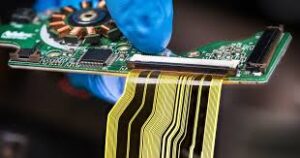
What are the limitations of flexible PCBs?
The metallization process used to create flexible PCBs can limit the types of components that can be mounted onto them. This can limit the functionality of a flexible PCB, as well as its reliability and durability. In addition, the flexible substrate can be strained by large or heavy components, compromising its structural integrity and limiting its performance.
Due to their flexible construction, flexible PCBs are more susceptible to the effects of vibrations and environmental conditions than rigid PCBs. This can lead to poor performance and failure in extreme environments. For example, repeated flexing of flexible PCBs can degrade the materials in their core and deteriorate the electrical properties of the conductive traces.The design, assembly, and testing of flexible PCBs can be more expensive than those for rigid PCBs. This is because flexible circuits are more complex to manufacture, and require specialized materials that are not as readily available as traditional rigid materials. Additionally, the assembly and repair processes for flexible PCBs can be more difficult and costly than those for rigid PCBs.
Although these limitations can limit the effectiveness of flexible PCBs in some cases, they are still an excellent option for a wide range of applications. Especially in areas where space is at a premium, or where the board must be able to bend and flex for a long period of time. For these applications, flexible PCBs can offer a significant weight savings, as well as a reduced footprint. Additionally, they can be used in places where space is not available for mounting rigid components. This includes applications such as: